


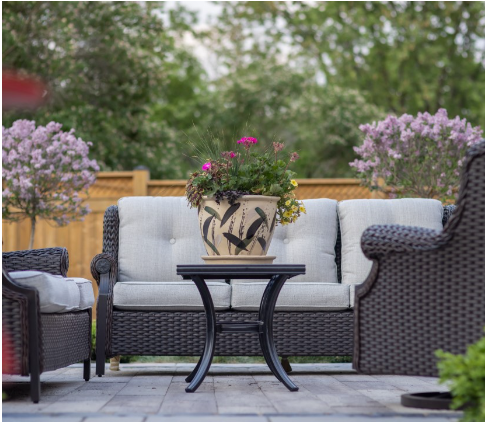
Transforming your backyard with hardscape design presents a myriad of opportunities to elevate both the aesthetic appeal and functionality of your outdoor space. Through the integration of elements such as patios, walkways, retaining walls, and water features, hardscaping offers a versatile canvas for personalization and enhancement. This comprehensive process involves several key stages, beginning with meticulous planning to conceptualize the desired layout and functionality of the space. Design considerations encompass various factors, including the existing landscape, architectural features, and desired ambiance, all of which influence the selection of materials and design elements.
What is Hardscape design?
Hardscape design involves the use of non-living elements to enhance outdoor spaces. This includes materials such as stone, concrete, and wood to create features like patios, pathways, and seating areas.
Importance of hardscape in backyard transformation.
Hardscape elements provide structure and definition to your backyard, creating functional areas for relaxation, entertainment, and dining. A beautiful hardscape design for Backyard transforms it into a captivating and functional outdoor sanctuary, blending elegance with practicality. They also complement softscape elements like plants and flowers, resulting in a balanced and visually appealing landscape.
Assessing Your Backyard
Begin by evaluating the size and layout of your backyard. Take note of existing features such as trees, slopes, and drainage patterns, as these will influence your hardscape design decisions.
Analyzing existing features and potential areas for hardscaping.
Identify areas that could benefit from hardscaping, such as unused corners or uneven terrain. Consider how you currently use your backyard and envision how hardscape elements can enhance its functionality.
Choosing the Right Materials
Types of materials for hardscape design.
There is a wide range of materials available for hardscaping, each with its own unique characteristics and aesthetic appeal. Common options include natural stone, pavers, brick, and concrete.
Factors to consider when selecting materials.
When choosing materials for your hardscape project, consider factors such as durability, maintenance requirements, and cost. Select materials that complement your home’s architecture and blend harmoniously with your landscaping.
Designing Your Hardscape
Sketching out your design.
Create a rough sketch or digital rendering of your hardscape design, taking into account the dimensions and layout of your backyard. Experiment with different configurations until you find a layout that meets your needs and preferences.
Incorporating functionality and aesthetics.
Strike a balance between functionality and aesthetics in your hardscape design. Ensure that pathways are wide enough for comfortable passage and that seating areas are strategically placed to take advantage of views and natural light.

Preparing the Site
Clearing the area.
Before you begin installation, clear the area of debris, vegetation, and any obstacles that may impede progress. This will provide a clean canvas for your hardscape project.
Necessary groundwork and leveling.
Depending on the terrain of your backyard, you may need to perform groundwork such as leveling the surface or installing drainage systems to prevent water buildup.
Installing Hardscape Elements
Step-by-step installation process.
Follow the manufacturer’s instructions carefully when installing hardscape elements such as pavers or retaining walls. Use proper techniques to ensure proper alignment, spacing, and stability.
Ensuring proper alignment and stability.
Take your time during installation to ensure that hardscape elements are properly aligned and securely anchored. Use a level to check for evenness and make adjustments as needed.
Enhancing with Plants and Lighting
Adding greenery for contrast and softness.
Softscape elements like plants and flowers can soften the hardscape and add color and texture to your outdoor space. Incorporate shrubs, perennials, and ornamental grasses to create a lush and inviting environment.
Importance of lighting in showcasing hardscape features.
Outdoor lighting can enhance the beauty and functionality of your hardscape design, allowing you to enjoy your backyard well into the evening. Install strategic lighting fixtures to highlight focal points and create ambiance.
Maintenance Tips
Regular upkeep to preserve the beauty.
To keep your hardscape looking its best, implement a regular maintenance routine that includes tasks such as sweeping, weed control, and occasional pressure washing.
Addressing common maintenance issues.
Be proactive in addressing common maintenance issues such as weeds, algae growth, and minor damage. Prompt repairs and upkeep will prolong the lifespan of your hardscape elements.
Benefits of Beautiful Hardscape Design for Backyard
How hardscape design adds value.
A well-designed hardscape can significantly increase the value of your property by expanding your living space and creating outdoor areas for entertaining and relaxation.
Creating a welcoming outdoor living space.
Beautiful hardscape design transforms your backyard into an inviting retreat where you can unwind, socialize with friends and family, and connect with nature.
Budgeting and Cost Considerations
Planning your budget.
Before starting your hardscape project, carefully consider your budget and allocate funds for materials, labor, and any additional expenses that may arise.
Cost-effective hardscape solutions.
Explore cost-effective hardscape solutions such as DIY installation or using alternative materials that offer durability and aesthetic appeal at a lower cost.
Seeking Professional Help
When to hire a professional landscaper.
Complex hardscape projects may require the expertise of a professional landscaper or contractor. Consider hiring a professional for tasks that exceed your skill level or require specialized equipment.
Finding the right contractor for your project.
Research local landscapers and read reviews from past clients to find a reputable contractor who can bring your hardscape vision to life within your budget and timeline.
Safety Measures
Ensuring safety during installation and use.
Prioritize safety during the installation of hardscape elements by following proper safety protocols and using protective gear as needed.
Child and pet-friendly hardscape features.
Choose hardscape materials and designs that are safe for children and pets, avoiding sharp edges or slippery surfaces that could pose a hazard.
Environmental Impact
Minimize the environmental impact of your hardscape project by choosing sustainable materials, implementing water-saving features, and preserving existing vegetation.
Opt for eco-friendly hardscape materials such as permeable pavers, reclaimed wood, or recycled concrete, which reduce waste and minimize environmental degradation.
Conclusion
Transforming your backyard with hardscape design is a rewarding endeavor that enhances the beauty, functionality, and value of your outdoor space. By following this step-by-step guide, you can create a beautiful and inviting oasis where you can relax, entertain, and connect with nature for years to come.






Leave a comment